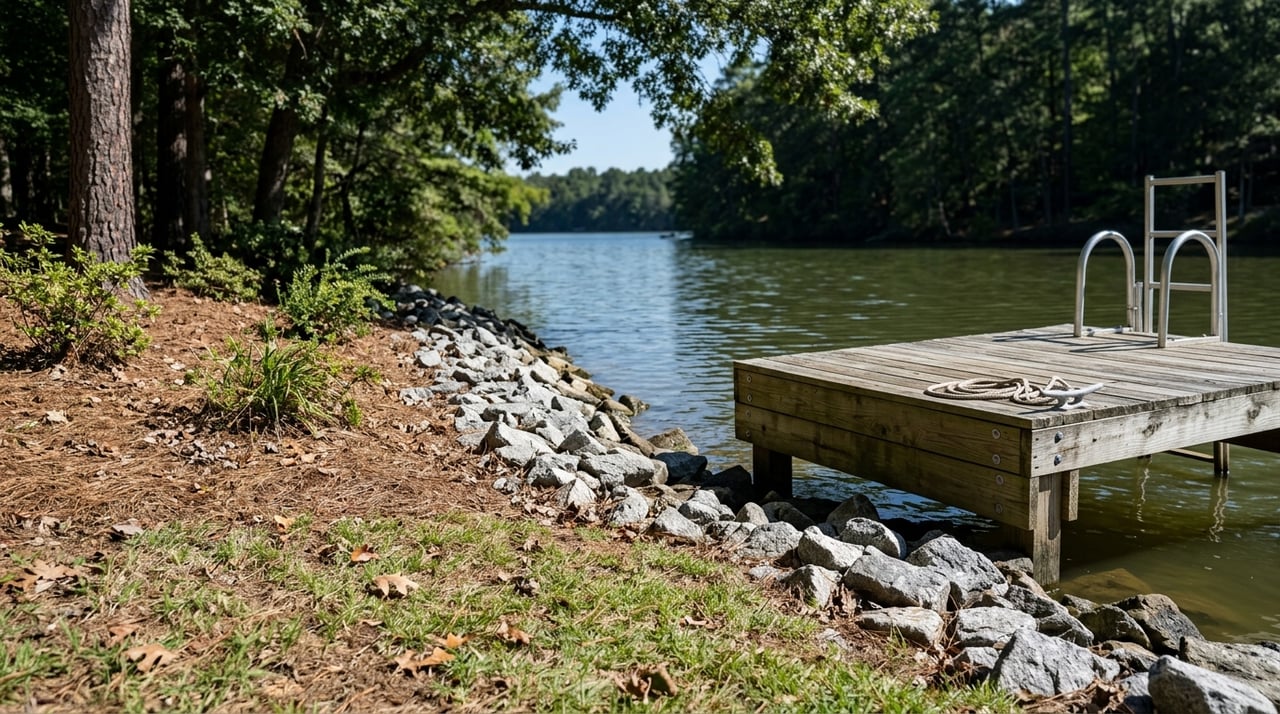
Wondering what lake life really looks like beyond the summer postcard version? If you are thinking about buying, selling, or simply spending more time on Lake Sinclair, it helps to know that this is a year-round lake with a very real seasonal rhythm. From quiet winter mornings to busy summer weekends, each part of the year shapes how you use the water and what kind of property may fit you best. Let’s dive in.
Lake Sinclair at a glance
Lake Sinclair is a Georgia Power reservoir created in 1953 on the Oconee River. It spans Baldwin, Hancock, and Putnam counties and includes about 15,330 acres of water and 417 miles of shoreline.
That scale is a big reason Lake Sinclair appeals to so many different buyers. You can picture it as both a recreation lake and a place with year-round living potential, which makes it especially relevant if you are exploring lakefront homes or lots in the 31024 area.
Why seasons matter on Lake Sinclair
Some lakes feel highly limited outside peak months. Lake Sinclair is different because it stays open year-round, but the mood, traffic, and common activities shift with the calendar.
That matters when you are choosing property. A home that feels perfect for summer entertaining may not be the same home that works best for full-time living, quiet winter weekends, or easy spring-and-fall getaways.
Winter on Lake Sinclair
Winter feels quieter
Winter is often the calmest-feeling season on Lake Sinclair. Nearby climate normals show mean temperatures of 47.6°F in January and 51.2°F in February, so you get cooler weather without the lake shutting down.
For many people, this is when the lake feels most peaceful. You may notice less boat traffic, a slower pace, and a setting that works well for relaxed weekends, morning coffee with a view, or simply enjoying waterfront living without the summer rush.
Winter still offers recreation
Even in cooler months, Lake Sinclair continues to support fishing and outdoor use. Georgia DNR’s 2026 forecast points to winter crappie opportunities in deeper water or warm-water discharge areas, along with stripers near warmer upper-reservoir water.
If your version of lake life leans more toward year-round use than nonstop summer activity, winter is a good reminder that Sinclair is not just a warm-weather destination. It can support a steady, usable lifestyle through every season.
Spring on Lake Sinclair
Spring brings the transition
Spring is when the lake begins to wake up. Mean temperatures rise from 57.7°F in March to 64.5°F in April and 72.9°F in May, creating a stretch of weather that feels increasingly comfortable for time outside.
This is often the season when buyers start to picture themselves on the water more easily. Docks, porches, decks, and outdoor gathering spaces begin to matter in a more practical way because you can imagine using them often, but without full summer intensity.
Spring supports active lake use
Georgia DNR notes that bass move from deeper structure early in spring to shallow spawning areas as the season progresses. Stripers and hybrids also make stronger spring movements, which adds to the sense that the lake is becoming more active.
For you as a buyer, spring can reveal how a property functions during one of the most balanced parts of the year. You can get a feel for access, outdoor flow, and shoreline usability while still seeing the lake before peak-season traffic arrives.
Summer on Lake Sinclair
Summer is peak lake season
Summer is the classic Lake Sinclair season. Mean temperatures reach 79.5°F in June, 82.5°F in July, and 81.4°F in August, and the Forest Service lists waterskiing, swimming, motorized boating, fishing, and camping among the lake’s core uses.
This is the version of lake life many second-home buyers imagine first. Longer days, active docks, boat traffic, and full weekends create the high-energy atmosphere that draws people to waterfront ownership in the first place.
Summer changes what buyers value
When you picture a summer-focused property, certain features often rise to the top. You may care more about guest flow, outdoor seating, dock access, shade, storage for lake gear, and how easily friends and family can move between the house and the water.
Georgia DNR also notes summer stripers in the main lake and bass around deeper or lighted dock areas. That reinforces an important point: summer on Sinclair is not just about boating. It is also a strong season for buyers who want a mix of entertaining, fishing, and general waterfront use.
Fall on Lake Sinclair
Fall offers comfort and flexibility
For many people, fall may be the most livable season on the lake. Temperatures ease from 76.2°F in September to 66.0°F in October and 55.8°F in November, which can make weekends outdoors feel more comfortable.
Fall often brings a nice middle ground. The lake can still feel active enough for boating and time outside, but less hectic than summer, which appeals to buyers who want a seasonal retreat without peak-season intensity.
Fall still supports fishing and weekends
Georgia DNR says crappie fishing can improve in fall around deeper structure, creek mouths, and bridges. That adds another layer to the season for owners who enjoy mixing recreation with a quieter waterfront setting.
If you are shopping with long-term enjoyment in mind, fall can help you see whether a property still feels inviting once summer crowds fade. That is often when the home itself, not just the season, becomes the real focus.
What the seasons mean for property choice
Full-time and part-time needs differ
Your ideal Lake Sinclair property often depends on how you plan to use it. Year-round users may prioritize easy access, practical storage, and lower-maintenance exteriors, while weekend or seasonal users may focus more on dock usability, guest space, and comfort during the busiest lake months.
That distinction matters because not every lake property lives the same way in every season. A home that shines during holiday weekends may need a different layout or maintenance plan than one meant for everyday living.
Think beyond the view
A great view matters, but it is only part of the story. When you evaluate a property, it helps to think about how the home supports your routine in winter, spring, summer, and fall.
Ask yourself practical questions. Will you want space for gear and guests in summer? Does the exterior feel manageable year-round? Can you see yourself enjoying the property during quieter months, not just on the busiest weekend of the year?
Shoreline details every buyer should verify
Georgia Power rules matter
Because Lake Sinclair is a Georgia Power lake, shoreline details require close attention. Georgia Power says improvements such as docks, boathouses, and seawalls require permits, and it also distinguishes between access lots and private-owned lots.
That can affect shoreline rights, flood easements, and what can be built near the water. Georgia Power also notes that private-owned lots may still have project-boundary or flood-easement restrictions.
Verify before you buy
If you are buying on Lake Sinclair, it is smart to confirm a few essentials early in the process:
- Whether the lot is deeded or an access lot
- Whether existing shoreline improvements are properly authorized
- What structures are permitted on the property
- Whether project-boundary or flood-easement restrictions apply
These details can shape how you use the property and what future changes may be possible. They are also one of the biggest reasons lake-specific guidance matters when you are narrowing down homes or lots.
Know a few lake-specific limits
Georgia Power also states that vessel length on Lake Sinclair is limited to 30 feet 6 inches. Houseboats with galleys, sleeping quarters, or marine toilets are not allowed on Georgia Power lakes.
Those rules may not affect every buyer, but they are important if your vision of lake life includes specific boating plans. Clear expectations now can help you avoid surprises later.
Why Lake Sinclair attracts many lifestyles
Lake Sinclair supports more than one type of owner. The lake’s year-round recreation, four-season climate pattern, and range of fishing and boating uses make it appealing to full-time residents, weekend users, and second-home buyers alike.
The lake also supports a broad recreation story. Best-bet fish species include largemouth bass, crappie, hybrid bass, catfish, and striped bass, so it is reasonable to think of Sinclair as both a boating lake and a fishing lake.
That flexibility is part of its appeal in Putnam County and the surrounding area. You are not limited to one narrow version of waterfront living.
Making a smart Lake Sinclair move
If you are considering a move on or near Lake Sinclair, the best next step is to match the property to your real lifestyle, not just your dream weekend. The right fit often comes down to seasonal use, shoreline rules, and how comfortable the property will feel all year.
That is where local, lake-specific guidance can make a real difference. Whether you are buying a waterfront home, selling a lake property, relocating, or searching for the right lot, Kay Mcgiboney can help you navigate Lake Sinclair with clear advice and hands-on support.
FAQs
What is Lake Sinclair like throughout the year?
- Lake Sinclair is a year-round lake with quieter winters, active springs, busy summers, and comfortable falls, giving you a different waterfront experience in each season.
What summer activities are common on Lake Sinclair?
- Common summer activities on Lake Sinclair include waterskiing, swimming, motorized boating, fishing, and camping.
What should buyers verify about Lake Sinclair shoreline property?
- Buyers should verify whether a lot is deeded or an access lot, whether docks or other shoreline improvements are properly authorized, and whether any project-boundary or flood-easement restrictions apply.
Are docks and seawalls regulated on Lake Sinclair?
- Yes, Georgia Power says shoreline improvements such as docks, boathouses, and seawalls require permits on Lake Sinclair.
Is Lake Sinclair only a summer boating lake?
- No, Lake Sinclair supports year-round use and is also known for fishing opportunities that change by season, including bass, crappie, hybrid bass, catfish, and striped bass.