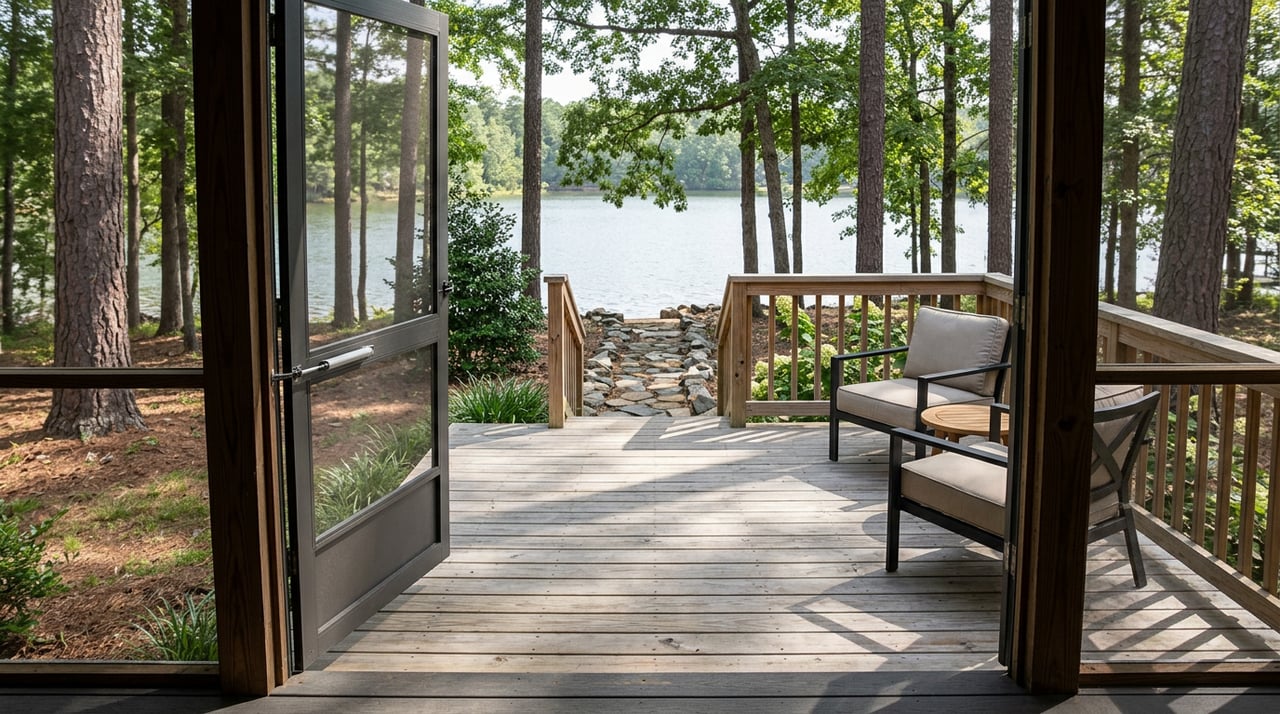
Thinking about selling your Lake Sinclair home in 31024 and not sure where to start? You’re not alone. Waterfront sales come with extra steps around docks, permits, and presentation that can feel overwhelming. This guide walks you through a simple, step-by-step plan so you list with confidence, avoid delays, and showcase the lake lifestyle buyers want. Let’s dive in.
Know the shoreline rules first
Georgia Power manages the shoreline
Georgia Power oversees shoreline use on Lake Sinclair, including docks, boathouses, boatlifts, seawalls, dredging, and vegetation control. Before you schedule any in-water or shoreline work, review Georgia Power’s shoreline management program so you know what is allowed, what needs a permit, and how transfers work for a new owner.
County permits and septic/well reviews
Putnam County Planning and Development handles building permits, land disturbance, and septic approvals that may apply to shoreline and exterior work. Plan reviews can take multiple weeks, so build that into your timeline. For guidance on submittals and contacts, check the county’s permit packet and process overview.
Watch water levels and drawdowns
Georgia Power schedules periodic lake drawdowns that make shoreline work easier. A past scheduled drawdown lowered Sinclair roughly five feet and allowed owners to address maintenance. If you plan dock or seawall repairs, check local notices for the next drawdown window so contractors can work efficiently. See an example update in the Union-Recorder’s coverage of drawdown schedules and timing.
Prep your waterfront and exterior
Waterfront presentation is often the first thing buyers evaluate. Start with safety and documentation, then focus on easy wins that improve value.
Gather documents before any shoreline work
Collect your deed, any Georgia Power lease or access agreements, surveys, and prior permit cards for the dock, boatlift, boathouse, or seawall. Having this ready makes your listing cleaner and speeds up permit questions during buyer due diligence.
Safety and structural triage
Have a qualified contractor inspect pilings, decking, handrails, wiring, and the boatlift. Electrical for boatlifts must meet code. Do not market the dock as fully usable until safety issues are resolved. Review Georgia Power’s boatlift and electrical guidance before scheduling work.
Repairs that build buyer confidence
Fix the things buyers notice first: replace rotted or loose boards, tighten corroded fasteners, stabilize stairs and ramps, and confirm the boatlift operates smoothly. Post the Georgia Power permit card on-site if your work occurs within the project boundary.
Seawalls, rip-rap, and dredging
New seawalls are tightly controlled and typically permitted only when other erosion controls won’t work. Dredging and rip-rap placement come with limits and coordination across agencies. If you think these apply to your shoreline, start the conversation early and plan for multi-agency coordination and review time.
Manage aquatic vegetation the right way
If aquatic weeds or shoreline overgrowth limit water access, use Georgia Power’s process rather than DIY spraying. Licensed applicators and permits are required when using herbicides. Start with the aquatic-vegetation permit process to plan safe, compliant control.
Time work with drawdowns
Larger shoreline projects often happen during scheduled drawdowns. Apply for permits in advance so your crew is ready when lake levels are low. Coordinate staging and photography around water-level changes, especially if your dock’s usability varies with fluctuations.
Simple refreshes with high impact
Power-wash the dock and boathouse, remove algae, add fresh stain or paint to handrails, and clear clutter so the waterfront looks cared for. Outdoor living projects like deck refreshes often show strong recapture in national Cost vs. Value data, which helps justify upgrades that highlight lake life.
Stage for the view and plan your photos
Lake homes sell the lifestyle. Your goal is to make the water the hero in every showing and photo.
Stage rooms to showcase the water
Orient living room and primary bedroom seating toward the lake. Open or remove heavy drapes. Keep furnishings minimal and neutral in water-facing rooms so buyers’ eyes go straight to the view. For more on why this works, see NAR’s overview on staging benefits.
Schedule photos for the best light
- Exterior hero shots: early morning or late afternoon for warm light on the water.
- Twilight images: capture glow from interior lights with the lake in the background.
- Interior water-facing rooms: balance indoor light so the view outside reads clearly.
- Aerials: show lot lines, shoreline, and dock context when possible.
Turn on all landscape and dock lights before your twilight shoot. Make sure your photographer knows switch locations and what to highlight.
Use aerial media correctly
Aerial photos and video add huge value for waterfront listings. Commercial drone work requires an FAA remote pilot certificate. Hire a certified pro and confirm no local or temporary restrictions apply. Review the FAA’s Part 107 rules if you’re curious about the basics.
A recommended lakefront shot list
- Daytime exterior with dock and water in frame.
- Twilight exterior with interior lights visible.
- Aerial overview of lot and shoreline.
- Porch or deck with doors open to the view.
- Main living area and kitchen showing flow to the water.
- Primary bedroom with the view.
- Boathouse, boatlift, storage, parking, and any shared amenities.
Permits, disclosures, and your buyer packet
Strong documentation reduces renegotiations and closing delays. Pull these items together before you list.
Georgia Power permits and transfers
Include prior permit cards and any Georgia Power correspondence about compliance or repairs. Buyers want to know what exists on the shoreline today and what can transfer. Georgia Power may require original signatures and sometimes performs pre-transfer inspections.
County permits, septic, and well records
Provide copies of applicable Putnam County building permits and site plans, plus septic permits and inspection records. If the home uses a private well, follow the Georgia Department of Public Health W‑33C guidance to document water quality. These records help buyers and lenders feel confident.
HOA/CCRs and rental rules
If your property is in an HOA or subdivision, gather covenants, dues information, any shared-ramp rules, and short-term rental policies. Buyers often ask for these early.
Flood map check
Include a FEMA flood map printout for the parcel. Lenders frequently verify this during underwriting, and having it ready keeps due diligence smooth.
Your 6–8 week roadmap
Use this timeline to stay organized. Adjust for permit review times, drawdowns, and contractor schedules.
Week 1: Documents and decisions
- Gather deed, surveys, permit cards, septic and well records, and any HOA documents.
- Call Georgia Power’s Oconee/Sinclair Lake Resources Office to confirm transfer steps and permit status.
- Contact Putnam County Planning and Development for any building or land-disturbance questions.
Week 2: Inspections and planning
- Schedule dock and boathouse safety checks, plus well testing and septic inspection.
- Review findings with your agent and set a focused repair and staging plan.
- Line up vendors and book your photographer and drone operator.
Weeks 3–4: Safety fixes and permits
- Complete priority repairs: dock decking, handrails, fasteners, and boatlift function.
- Submit any required Georgia Power permit applications and county permits if your project triggers review.
- If a drawdown is coming, confirm timelines and get on your contractor’s schedule.
Week 5: Staging and curb appeal
- Deep clean inside and out, power-wash waterfront areas, and declutter the dock and boathouse.
- Stage water-facing rooms and prep exterior and interior lighting for twilight photos.
Week 6: Photography and launch
- Capture daytime exteriors, a twilight hero shot, interiors that highlight the view, and aerials.
- Go live on the MLS and coordinate showings that emphasize lake lifestyle and your complete permit and inspection packet.
Quick pre-listing checklist
- Confirm deed and any Georgia Power lease or access agreements and gather all permit cards.
- Book dock and electrical safety checks, plus septic and well inspections.
- Check for upcoming drawdowns and apply for shoreline permits well in advance.
- Prioritize safety and code items first, then curb appeal, then staging and pro photos.
- Assemble a buyer packet with deeds, permits, septic/well records, and a flood map.
If you’d like a printable “pre-listing lake packet checklist,” reach out and we’ll share a simple one-page PDF you can use while you prep.
Local contacts and resources
- Georgia Power — Oconee/Sinclair Lake Resources Office: 125 Wallace Dam Rd NE, Eatonton, GA 31024. 706-484-7500. For transfer steps and shoreline guidance, see Georgia Power’s buying and leasing page.
- Putnam County Planning & Development: 117 Putnam Drive, Suite B, Eatonton, GA. See the county’s permit packet linked above for process and contacts.
- FAA UAS resources: linked above for drone and aerial media basics.
Ready to list with confidence?
Selling a Lake Sinclair home is different from selling inland. When your dock is safe, your permits are in order, and your photos tell a clear lake-life story, you attract better-qualified buyers and smoother offers. If you want a calm, concierge-style process with a local who knows these steps inside and out, connect with Kay Mcgiboney. We’ll help you plan, prep, and present your 31024 property for a great result.
FAQs
What documents do I need before listing my Lake Sinclair home?
- Collect your deed, any Georgia Power lease or access agreements, prior shoreline permit cards, surveys, septic and well records, and any HOA documents.
Do I need a permit to repair my dock or boatlift?
- Many shoreline repairs within the project boundary require Georgia Power permits, and electrical work must meet code; check Georgia Power guidance and post a valid permit card during work.
When is the best time to schedule shoreline repairs?
- Aim for Georgia Power’s scheduled drawdowns when possible, and submit permit applications well in advance so contractors can work efficiently at low water.
How should I stage rooms that face the lake?
- Keep furnishings simple and oriented toward the water, open drapes or remove heavy window treatments, and prioritize natural light so the view becomes the focal point.
Can I use a drone for listing photos myself?
- Commercial real estate photography requires an FAA-certified remote pilot; hire a Part 107 pilot to stay compliant and capture high-quality aerials.