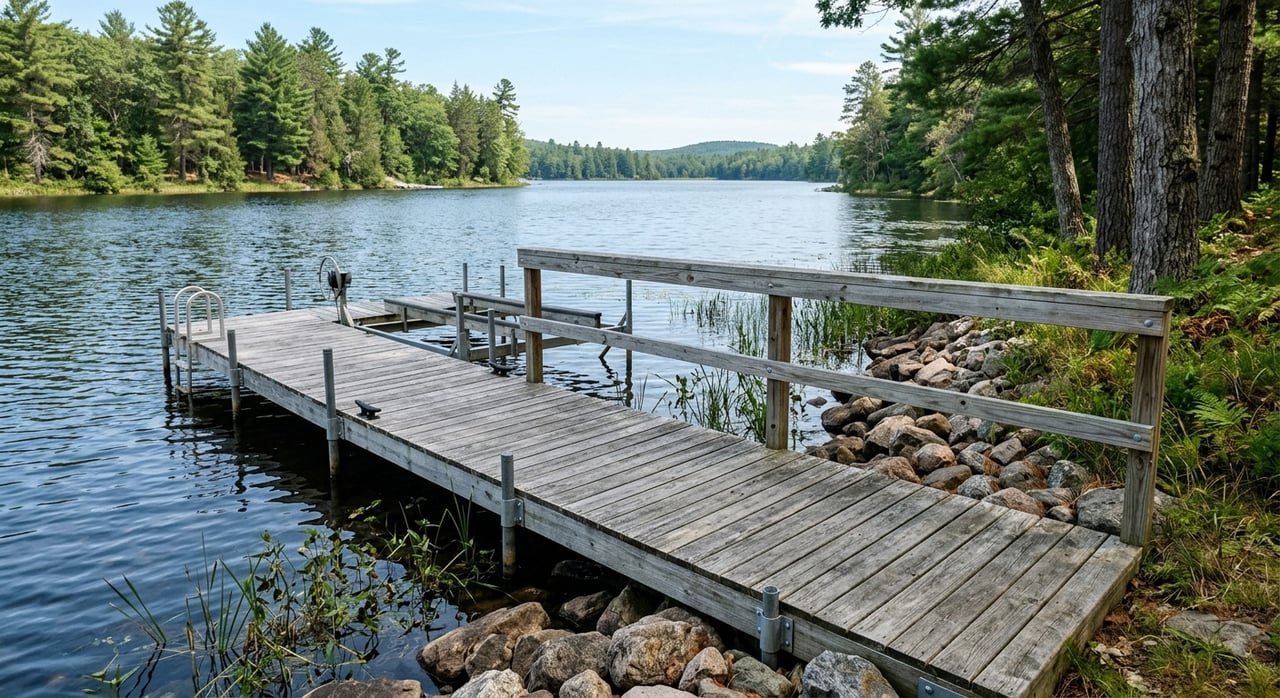
Thinking about buying a second home on Lake Sinclair? It is easy to picture the fun part first: morning coffee by the water, easy weekends with family, and a dock ready for the boat. But on Lake Sinclair, the details behind the shoreline can shape what you can build, how you use the property, and what your ownership looks like long after closing. This guide will help you understand the big issues to check before you buy in Putnam County so you can move forward with more confidence. Let’s dive in.
Why Lake Sinclair draws second-home buyers
Lake Sinclair offers the kind of lake lifestyle many second-home buyers want, with boating, fishing, and waterfront living in central Georgia. According to the Georgia Environmental Protection Division, the lake covers about 15,330 acres and has roughly 417 miles of shoreline. That gives buyers a wide range of property types, from low-maintenance cottages to larger waterfront homes.
The lake is also a working Georgia Power reservoir, not just a scenic backdrop. It sits at a normal pool elevation of 340 feet MSL, and water levels can change because water is released from Wallace Dam during the day and pumped back at night. That means your buying decision should include more than views alone.
Why shoreline rights matter so much
On many second-home purchases, the house is the star of the deal. On Lake Sinclair, the shoreline is just as important. Your lot type can affect your dock plans, future improvements, and even how close certain features can be placed to the water.
Georgia Power identifies several ownership setups buyers may see on Lake Sinclair: residential lease lots, access lots, and private-owned lots. A lease lot means Georgia Power owns the land and the buyer owns the improvements. An access lot means Georgia Power owns a strip of shoreland between the lake and the private property. On private-owned lots, the owner may still be subject to project-boundary rights or flood easements that can limit what is allowed near the shoreline.
Understand the lot type before you negotiate
One of the smartest early questions you can ask is simple: What kind of lot is this? The answer affects due diligence, timing, and long-term use. It can also change how you evaluate the real value of the property.
Here is a quick look at what each setup may mean for you:
| Lot type | What it generally means |
|---|---|
| Residential lease lot | Georgia Power owns the land; you own the home and improvements |
| Access lot | You own the property, but Georgia Power owns a shoreline strip between your lot and the lake |
| Private-owned lot | You may own to the high-water mark, though project-boundary rights or easements may still apply |
Because these details matter so much, it is wise to review the survey and legal documents early, not at the end of the transaction.
Review the survey early
If you are buying a second home on Lake Sinclair, the survey is not a throwaway document. It helps confirm shoreline frontage, project-boundary lines, setbacks, and whether existing improvements sit where they should. It can also help you spot issues before you get too far into negotiations.
This step matters even more on access lots. Georgia Power advises buyers to confirm the boundary line and, if needed, have a licensed surveyor mark it on the ground so improvements do not encroach on the shoreland strip. That can be especially important if you are looking at patios, paths, landscaping, or structures near the lake.
Know what happens on lease lots
Lease lots come with added transfer steps that buyers should plan for early. Georgia Power says a shoreline representative completes a pre-transfer inspection, and the lease transfer must happen with closing. In some cases, a new as-built survey may also be required.
There is also a timing issue many buyers do not expect. Georgia Power says it will not issue permits to new owners or validate existing shoreline structures until the required legal agreement is signed. It also requires original legal documents that are notarized and witnessed, and those documents are recorded at the county courthouse where the property is located.
Check dock and boathouse rules before you fall in love
A beautiful lot does not automatically mean it can support the dock setup you want. On Lake Sinclair, shoreline improvements require approval, and boathouse eligibility depends heavily on frontage and other site conditions. If a dock, boathouse, or lift is part of your vision, verify those details before closing.
Georgia Power requires permits for shoreline improvements such as docks, boathouses, seawalls, dredging, boatlifts, aquatic vegetation management, tree removal, landscaping, outbuildings, and residential dwellings. Some projects may also require county or state permits. In other words, you may need more than one layer of approval.
Boathouse frontage rules
For Lake Sinclair, boathouse rules are specific. Georgia Power says lots platted after 2000 need at least 100 feet of straight-line shoreline for boathouse consideration. Lots platted before 2000 need at least 75 feet of straight-line shoreline and 75 feet of width at the Georgia Power project boundary for a single-stall boathouse.
There are also design limits. Georgia Power requires a residential structure on the lot, allows only a single walkway for combination dock and boathouse structures, and requires open-sided boathouses on Sinclair. It also does not allow free-standing boat lifts on Georgia Power lakes except Lake Oconee.
Boat size rules matter too
If you already own a boat, bring that information into your home search. Georgia Power says the maximum vessel length on Lake Sinclair is 30 feet, 6 inches. Georgia law also prohibits houseboats with galleys, sleeping quarters, or marine toilets on Georgia Power lakes.
That means your boat plans should be part of property selection, not an afterthought. A home may look ideal on paper but still be a poor fit if your intended watercraft or lift setup does not match the rules.
Water levels can affect daily use
Not all shoreline behaves the same way when lake conditions change. Georgia Power notes that lake elevations are subject to change and dam releases can change without notice. For buyers, that means a cove that looks perfect on showing day may function differently at other times.
Before you close, it is worth verifying how the dock, boat lift area, and shoreline perform under changing water conditions. This is especially important if you plan to keep a boat in the water regularly or want easy access for guests on weekends.
Seawalls and shoreline work are not automatic
Some buyers assume they can add a seawall later if erosion becomes a concern. On Lake Sinclair, that is not always the case. Georgia Power says new seawalls are only permitted where there is evident cut-bank erosion, wetlands cannot have a wall of any type, rip-rap is required on the lake side, and county approval is discretionary.
That makes shoreline stabilization very site-specific. If erosion control is part of your long-term plan, ask early whether the location appears likely to qualify and what approvals may be needed.
Plan for vegetation and maintenance
A second home can sound low-stress until you remember the outdoor upkeep that comes with lakefront ownership. On Lake Sinclair, aquatic vegetation management near your lot is permit-based. Georgia Power says residents may control nuisance vegetation near their lots through licensed herbicide applicators, but the treated area is limited to one-half acre.
Georgia Power also says it does not treat around individual docks, boathouses, or other private structures. That means you should expect some local responsibility for shoreline maintenance. If you want a second home that feels easy to manage, this is worth discussing before you buy.
Understand county permits and building rules
Georgia Power shoreline approval is only one part of the picture. In Putnam County, building permits and zoning rules can also affect what you can do with the property. Buyers should check both layers carefully.
Putnam County issues building permits, and the county zoning office handles rezoning, variances, conditional uses, plats, and site plans. Georgia Power’s dwelling guidance for Sinclair says new construction should be outside the project boundary and at least 50 feet from the shoreline where possible, with county setbacks controlling if they are greater. The same guidance also requires septic and well plans, and septic systems must be appropriately sized for the proposed dwelling occupancy.
Be cautious with older lake homes
Older homes can offer charm, mature lots, and established views, but they may come with added review points. Georgia Power notes that some older structures on leased lots may no longer conform to current rules. That can limit expansion or rebuilding.
So if you are considering an older second home, your inspection period should look beyond the roof and HVAC. You also want to understand whether the home’s location and site improvements still fit current shoreline rules.
If you may rent the home, verify local rules first
Some second-home buyers want occasional rental income to offset carrying costs. If that is part of your plan in Putnam County, verify the county requirements before you buy. Do not assume a property can be used that way just because it is on the lake.
Putnam County currently issues lodging permits and short-term vacation rental licenses through an online process and regulates those licenses under specific ordinance chapters. If rental use matters to your purchase, it should be part of your due diligence before closing.
Public lake access can still add value
Even if you want a private dock, public access points can still matter. They can be helpful for guests, for certain boating days, or for homes with more limited launch options. They can also add convenience if you want flexibility beyond your own shoreline setup.
Georgia Power lists several Lake Sinclair access points and amenities, including Rocky Creek Park, Cosby’s Landing, Sinclair Dam Pier, T.D. Cheek Fishing Pier, Sea Brook Boat Ramp, and Twin Bridges Marina. For a second-home buyer, that broader access network can make the lake easier to enjoy.
A smart Lake Sinclair buying checklist
Before you buy a second home on Lake Sinclair, make sure you have answers to these questions:
- Is the property a lease lot, access lot, private-owned lot, or a hybrid arrangement?
- Have you reviewed the survey for frontage, project-boundary lines, setbacks, and shoreline improvements?
- Are existing docks, boathouses, or other structures properly permitted?
- Does the property meet current boathouse or lift rules for your plans?
- Have you checked how the water depth and dock access perform at different lake conditions?
- Are county permitting, zoning, septic, and site requirements clear?
- If you may rent the home, have you confirmed current Putnam County lodging and short-term rental requirements?
Buying a second home on Lake Sinclair should feel exciting, but it should also feel informed. When you understand the shoreline, permits, and property setup before you commit, you put yourself in a much stronger position to enjoy the home the way you planned.
If you are exploring lake homes in Putnam County and want calm, local guidance on the details that matter most, Kay Mcgiboney can help you sort through lot types, shoreline questions, and the day-to-day realities of Lake Sinclair ownership.
FAQs
What should you verify before buying a second home on Lake Sinclair?
- You should verify the lot type, survey details, shoreline frontage, project-boundary lines, existing permits, water access, and any county zoning or building requirements.
How do lease lots work on Lake Sinclair?
- On a residential lease lot, Georgia Power owns the land and you own the improvements, and the lease transfer must be completed with closing.
Can you add a boathouse to any Lake Sinclair property?
- No. Boathouse approval depends on lot frontage, plat date, project-boundary width, and other Georgia Power requirements.
Do you need permits for docks or shoreline work on Lake Sinclair?
- Yes. Georgia Power requires permits for many shoreline improvements, and some projects may also need county or state approval.
Can you use a Lake Sinclair second home as a short-term rental in Putnam County?
- Possibly, but you should verify current Putnam County lodging permit and short-term vacation rental license requirements before closing.
Why does the survey matter so much for Lake Sinclair homes?
- The survey helps confirm frontage, boundary lines, setbacks, and whether shoreline improvements may affect your use of the property.